
"ambient lighting"
70 article(s) found

Introduction to coffee roasting training-basic chemical reactions in the coffee roasting process
Professional coffee knowledge exchange more coffee bean information please follow the coffee workshop (Wechat official account cafe_style) Coffee roasting skills Collection | the purpose of coffee roasting and the characteristics of coffee beans except in the home-barista.com forum, the word MET is rarely seen. MET is not a number, but the most time segment in the whole baking process.

The basic chemical reaction of coffee knowledge during coffee roasting.
Many thermal and chemical reactions take place during baking: decarbonation, dehydration of quinic acid, subdivision, isomerization, polymerization, and complex sugar reactions (caramelization). The main components of the thermal reaction are monosaccharides and sucrose, chlorogenic acid, free amino acids, and fenugreek amide. Both aravinose and calactose in the polysaccharides are transferred, and the basic vulcanization process includes hydroxylamine.

How does the sour and bitter in coffee come from?
Many thermal and chemical reactions take place during baking: decarbonation, dehydration of quinic acid, subdivision, isomerization, polymerization, and complex sugar reactions (caramelization).
Basic chemical reactions that occur during coffee roasting
Many thermal and chemical reactions take place during baking: decarbonation, dehydration of quinic acid, fragmentation, isomerization, polymerization, and complex sugar reactions (caramelization). The main thermally reactive components are monosaccharides and sucrose, chlorogenic acid, displaced amino acids, and trigonelline amide. Both aravinone and calactose in polysaccharides are transferred, and basic sulfurization contains hydroxyamino acids.
The basic chemical reaction of coffee roasting process
Many thermal and chemical reactions take place during baking: decarbonation, dehydration of quinic acid, subdivision, isomerization, polymerization, and complex sugar reactions (caramelization). The main components of the thermal reaction are monosaccharides and sucrose, chlorogenic acid, free amino acids, and fenugreek amide. Both aravinose and calactose in the polysaccharides are transferred, and the basic vulcanization contains hydroxylated amino acid.
The basic chemical reaction that takes place during coffee roasting.
Many thermal and chemical reactions take place during baking: decarbonation, dehydration of quinic acid, subdivision, isomerization, polymerization, and complex sugar reactions (caramelization). The main components of the thermal reaction are monosaccharides and sucrose, chlorogenic acid, free amino acids, and fenugreek amide. Both aravinose and calactose in the polysaccharides are transferred, and the basic vulcanization process includes hydroxylamine.

The basic chemical reactions that take place during coffee roasting
Many thermal and chemical reactions take place during baking: decarbonation, dehydration of quinic acid, subdivision, isomerization, polymerization, and complex sugar reactions (caramelization). The main components of the thermal reaction are monosaccharides and sucrose, chlorogenic acid, free amino acids, and fenugreek amide. Both aravinose and calactose in the polysaccharides are transferred, and the basic vulcanization process includes hydroxylamine.
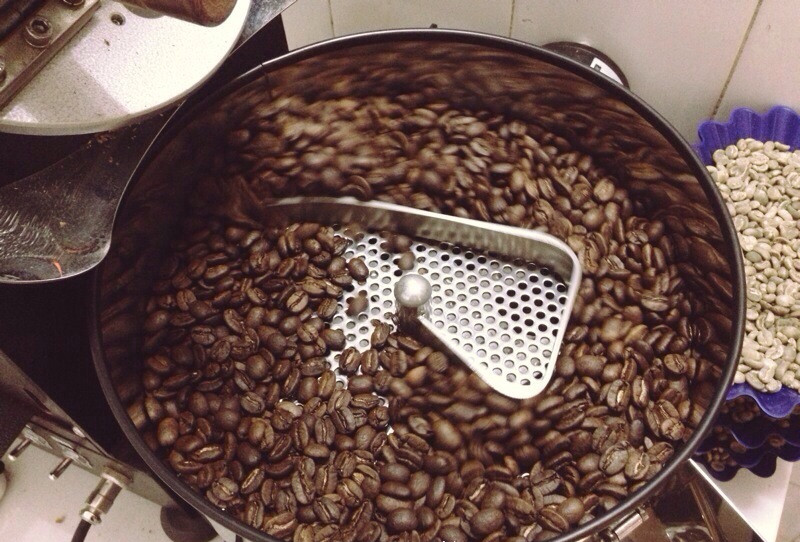
Basic chemical reactions of coffee beans during coffee roasting
Many thermal and chemical reactions take place during baking: decarbonation, dehydration of quinic acid, subdivision, isomerization, polymerization, and complex sugar reactions (caramelization). The main components of the thermal reaction are monosaccharides and sucrose, chlorogenic acid, free amino acids, and fenugreek amide. Both aravinose and calactose in the polysaccharides are transferred, and the basic vulcanization process includes hydroxylamine.
The basic chemical reactions that take place during coffee roasting
Many thermal and chemical reactions take place during baking: decarbonation, dehydration of quinic acid, subdivision, isomerization, polymerization, and complex sugar reactions (caramelization). The main components of the thermal reaction are monosaccharides and sucrose, chlorogenic acid, free amino acids, and fenugreek amide. Both aravinose and calactose in the polysaccharides are transferred, and the basic vulcanization process includes hydroxylamine.
The basic chemical reactions that take place during coffee roasting.
Many thermal and chemical reactions take place during baking: decarbonation, dehydration of quinic acid, subdivision, isomerization, polymerization, and complex sugar reactions (caramelization). The main components of the thermal reaction are monosaccharides and sucrose, chlorogenic acid, free amino acids, and fenugreek amide. Both aravinose and calactose in the polysaccharides are transferred, and the basic vulcanization process includes hydroxylamine.
The basic chemical reaction of coffee technology in the process of coffee roasting
Many thermal and chemical reactions take place during baking: decarbonation, dehydration of quinic acid, subdivision, isomerization, polymerization, and complex sugar reactions (caramelization). The main components of the thermal reaction are monosaccharides and sucrose, chlorogenic acid, free amino acids, and fenugreek amide. Both aravinose and calactose in the polysaccharides are transferred, and the basic vulcanization process includes hydroxylamine.
The basic chemical reaction that takes place during coffee roasting.
Basic chemical reactions that occur during coffee roasting author: Carl Staub originates from the SCAA baking color classification system, developed by Agtron SCAA 1995 original text from: http://www.sweetmarias.com/roast.carlstaub.html translation: Grant, http://www.baristacn.com/forum/thread-1583-1-1.html in the roasting process
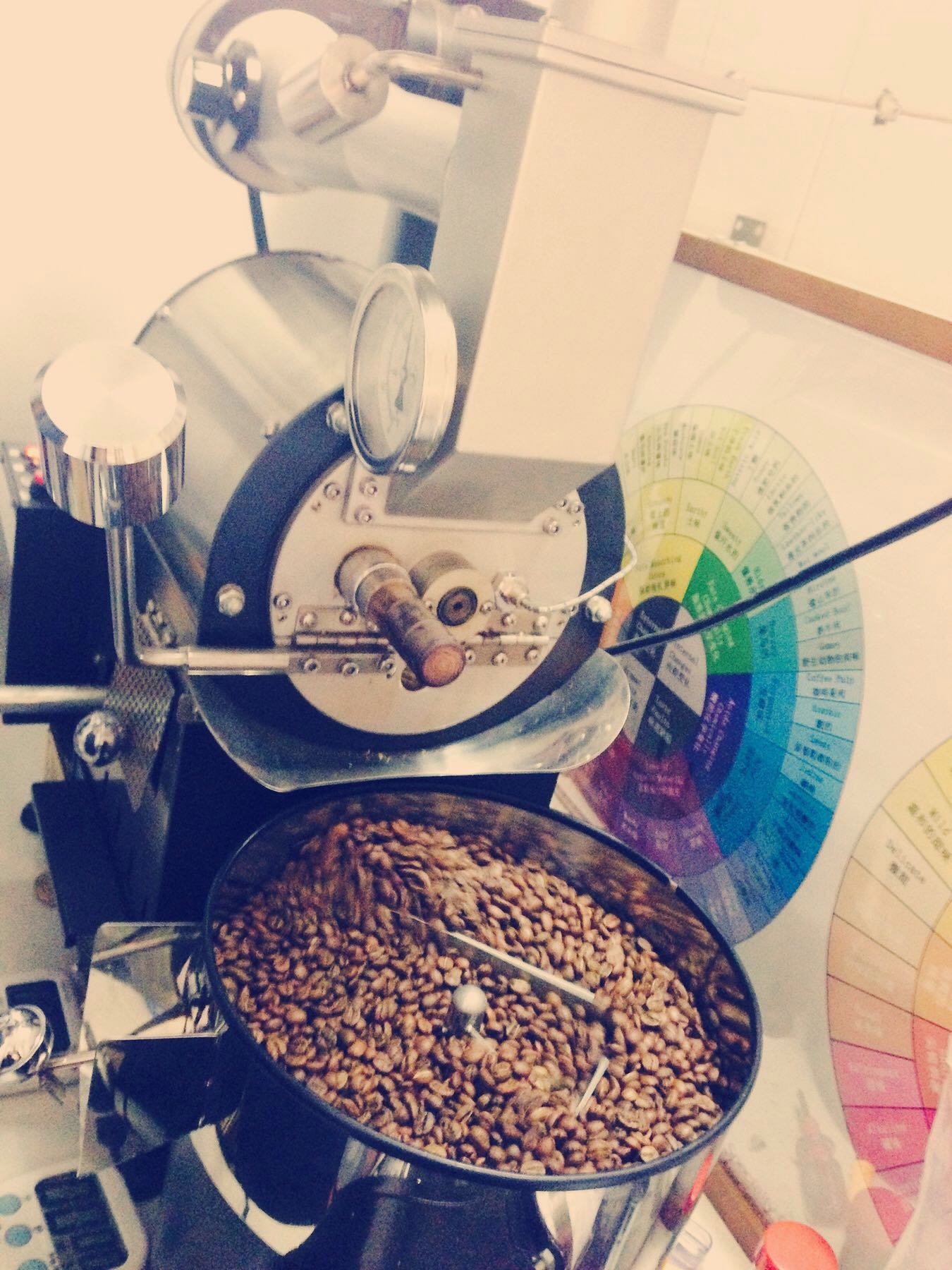
Key points of coffee roasting techniques: basic chemical reactions that take place during coffee roasting
Basic chemical reactions that occur during coffee roasting author: Carl Staub originates from the SCAA baking color classification system, developed by Agtron SCAA 1995 original text from: http://www.sweetmarias.com/roast.carlstaub.html translation: Grant, http://www.baristacn.com/forum/thread-1583-1-1.html in the roasting process
The basic chemical reaction that occurs during coffee roasting. The ingredients produced by the degree of coffee roasting.
Basic chemical reactions that occur during coffee roasting author: Carl Staub originates from the SCAA baking color classification system, developed by Agtron SCAA 1995 original text from: http://www.sweetmarias.com/roast.carlstaub.html translation: Grant, http://www.baristacn.com/forum/thread-1583-1-1.html in the roasting process

Evaluate 5 Guangzhou chains of coffee, which cup should rookies pick? Chain coffee brand
Professional coffee knowledge exchange more coffee bean information please follow the coffee workshop (Wechat official account cafe_style) sleepy summer is the coffee season in order to let coffee rookies, pick to suit their own coffee, we chose the five most extensive chain coffee to experience all over Guangzhou, the "Guangzhou chain Coffee Guide" passed by to know how to drink it.

The basic Chemical reaction of Coffee Baking process
Original: Basic Chemical Reactions Occurring in the Roasting Process by Carl Staub sourced from the SCAA Roast Color Classification System developed by Agtron-SCAA in 1995 Many thermal and chemical reactions occur during the roasting proces
The Mechanism and Environment of Coffee roasting explain the detailed steps of coffee bean roaster
Professional coffee knowledge exchange more coffee bean information please follow coffee workshop (Wechat official account cafe_style) coffee bean roaster brand _ coffee bean roaster price _ coffee bean roaster recently installed a monitoring device on the coffee bean roaster-air temperature with this equipment can observe more coffee roasting response mechanism and control environment first roast coffee
Basic chemical reactions in the roasting process of coffee in both Chinese and English
Original: Basic Chemical Reactions Occurring in the Roasting Process by Carl Staub sourced from the SCAA Roast Color Classification System developed by Agtron-SCAA in 1995 Many thermal and chemical reactions occur during the roasting proces
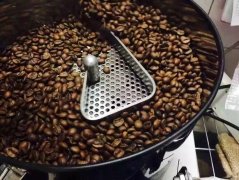
Explanation of the basic chemical reaction of coffee roasting in both Chinese and English
Original: Basic Chemical Reactions Occurring in the Roasting Process by Carl Staub sourced from the SCAA Roast Color Classification System developed by Agtron-SCAA in 1995 Many thermal and chemical reactions occur during the roasting proces

Five factors affecting the growing period and the best flavor period of coffee beans
Communication of professional baristas Please pay attention to coffee workshop (Wechat official account cafe_style) coffee beans are not in the best brewing condition after being roasted. It needs to be placed for a period of time to let the taste and flavor become ripe. This arrangement waits for the mature stage. As we commonly call the coffee beans cultivated or ripe, the taste and flavor of the coffee beans are fuller, the aroma is more complete and the exhaust is prosperous.